A look at everything you need to know to make the most of your day trip to Kamakura from Tokyo.
Just an hour south of Tokyo, Kamakura offers an easy escape into a world of seaside views, historic temples, and laid-back charm. This coastal town is a favorite day trip destination for travelers looking to balance culture and relaxation without venturing far from the city. A visit to Kamakura is both simple to plan and deeply rewarding. If you are visiting Tokyo, this blog post with tips will help you with your trip.
Here is everything you need to know to make the most of your day trip from Tokyo.
How to Get to Kamakura from Tokyo
Getting from Tokyo to Kamakura is quick and easy, making it one of the best day trips from the city. The quickest (~1 hour) and easiest way is to take the JR Yokosuka Line from Tokyo Station to Kamakura Station. However, if you are in another part of the city, I recommend using Google Maps to see the easiest way for you to get to Kamakura Station.
Once you are in Kamakura, most attractions are within walking distance. Uber is also available in the city.
To get to Hase-dera Temple and Kotoku-in (Great Buddha), you will need to take the charming Enoden Line train to Hase from Kamakura Station. You will also use the Enoden Line to continue to the coast.
Best Sights to See
From riding the scenic train lines to exploring iconic landmarks like the Great Buddha and hidden shrines tucked into the hills, Kamakura offers it all. Here are some of the best sights to see on a day trip from Tokyo. Please note that most of the temples in Kamakura do charge an entrance fee.
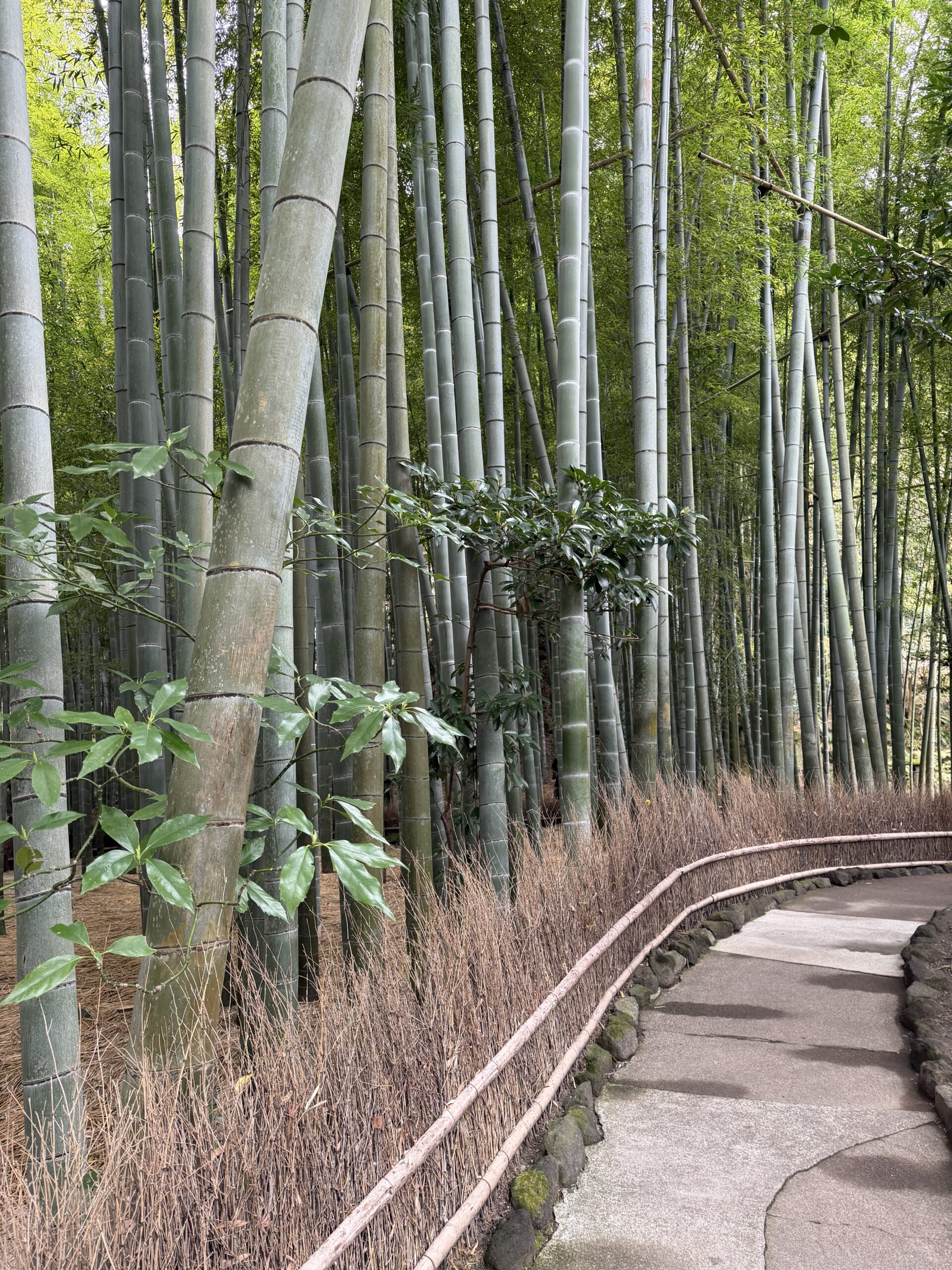
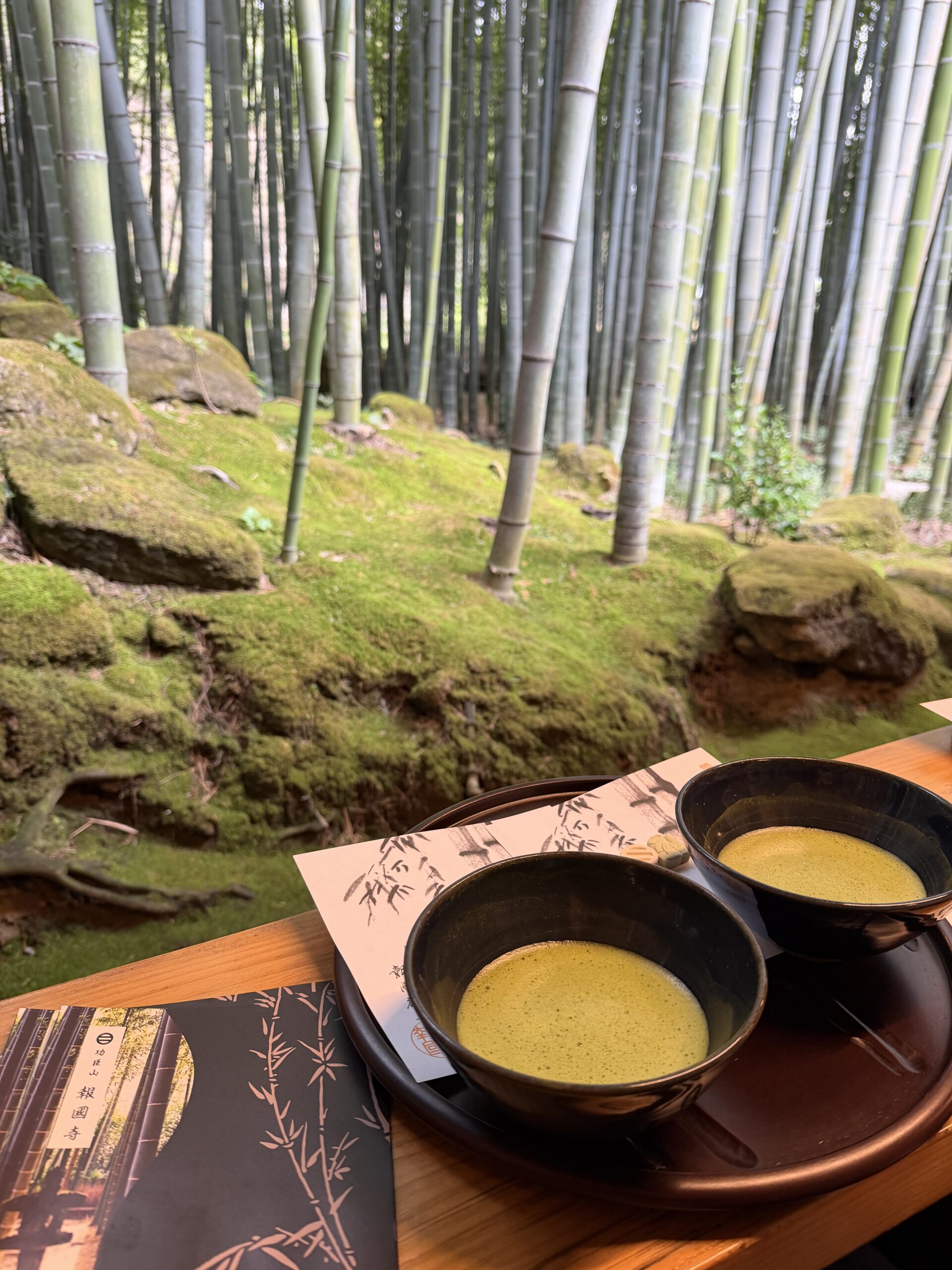
- Hokoku-ji Temple is a tranquil Zen temple, best known for its enchanting bamboo grove of towering green stalks. Its peaceful gardens invite quiet reflection, while the small teahouse offers you a chance to enjoy traditional matcha surrounded by nature.
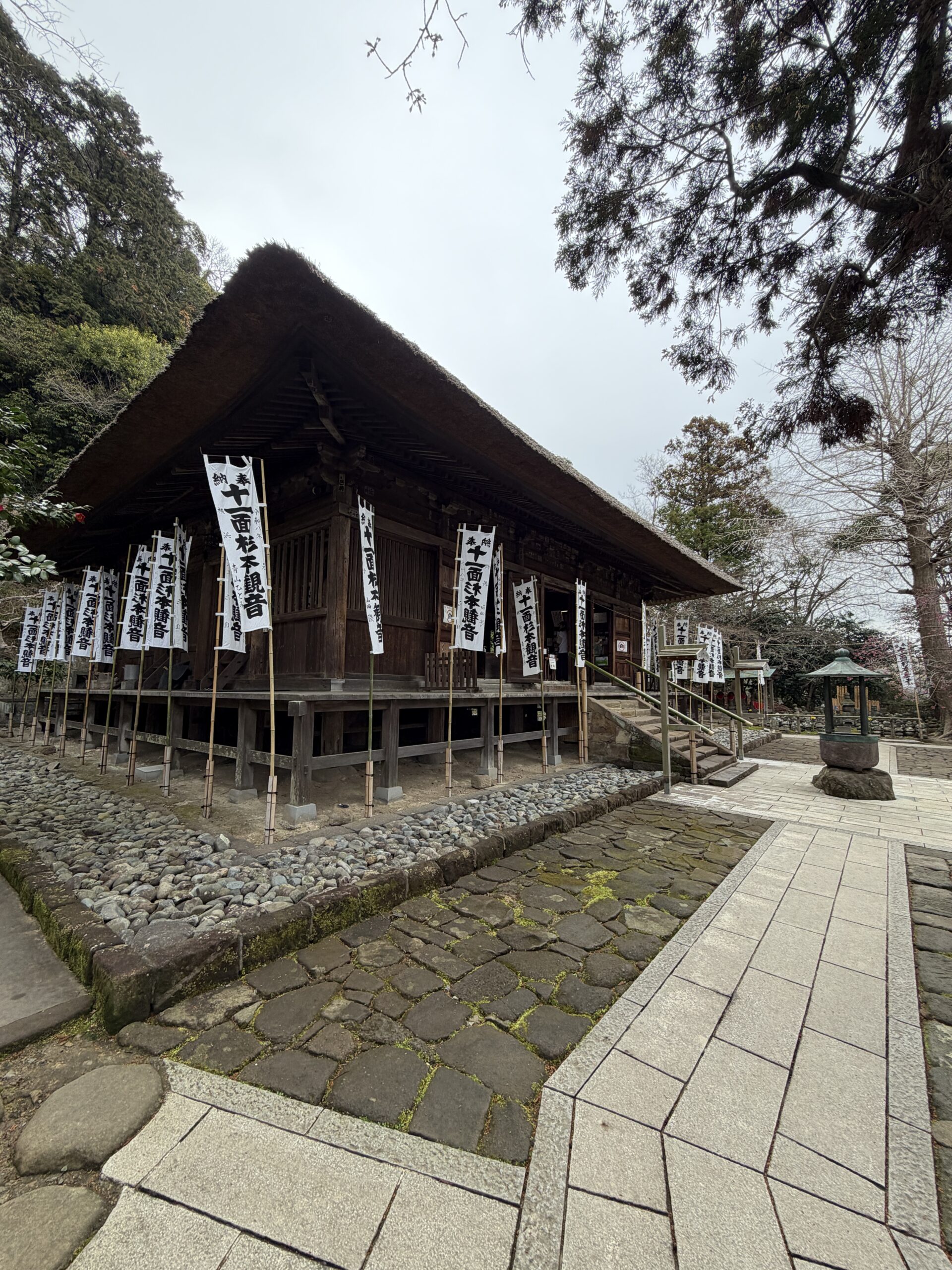
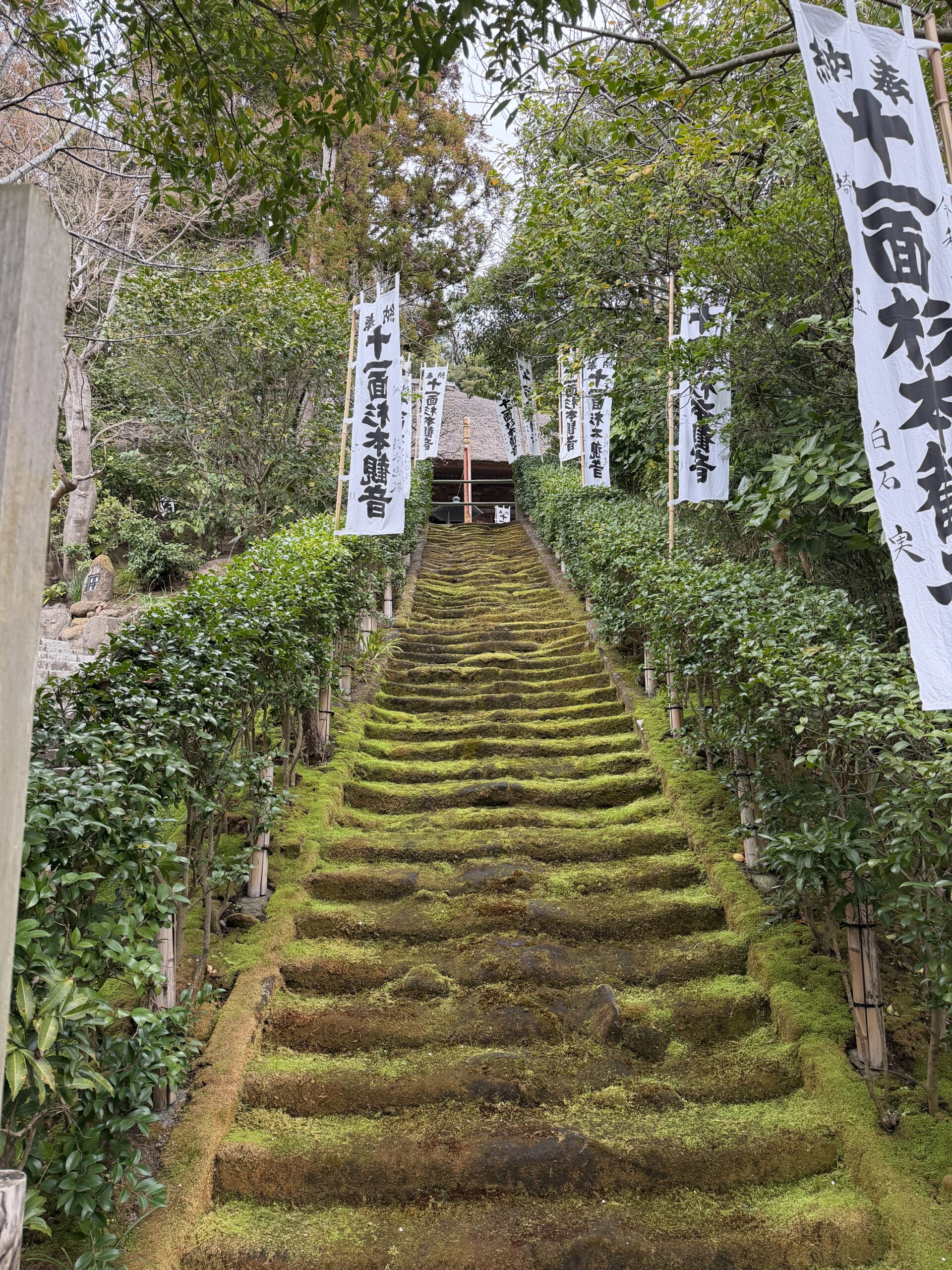
- Sugimoto-dera Temple is believed to be Kamakura’s oldest temple, founded in the 8th century. Tucked into a quiet hillside, it’s known for its gorgeous moss-covered stone steps. It’s less crowded than other sites in Kamakura. Sugimoto-dera offers a peaceful glimpse into Japan’s early Buddhist history and an escape from the busier tourist spots.
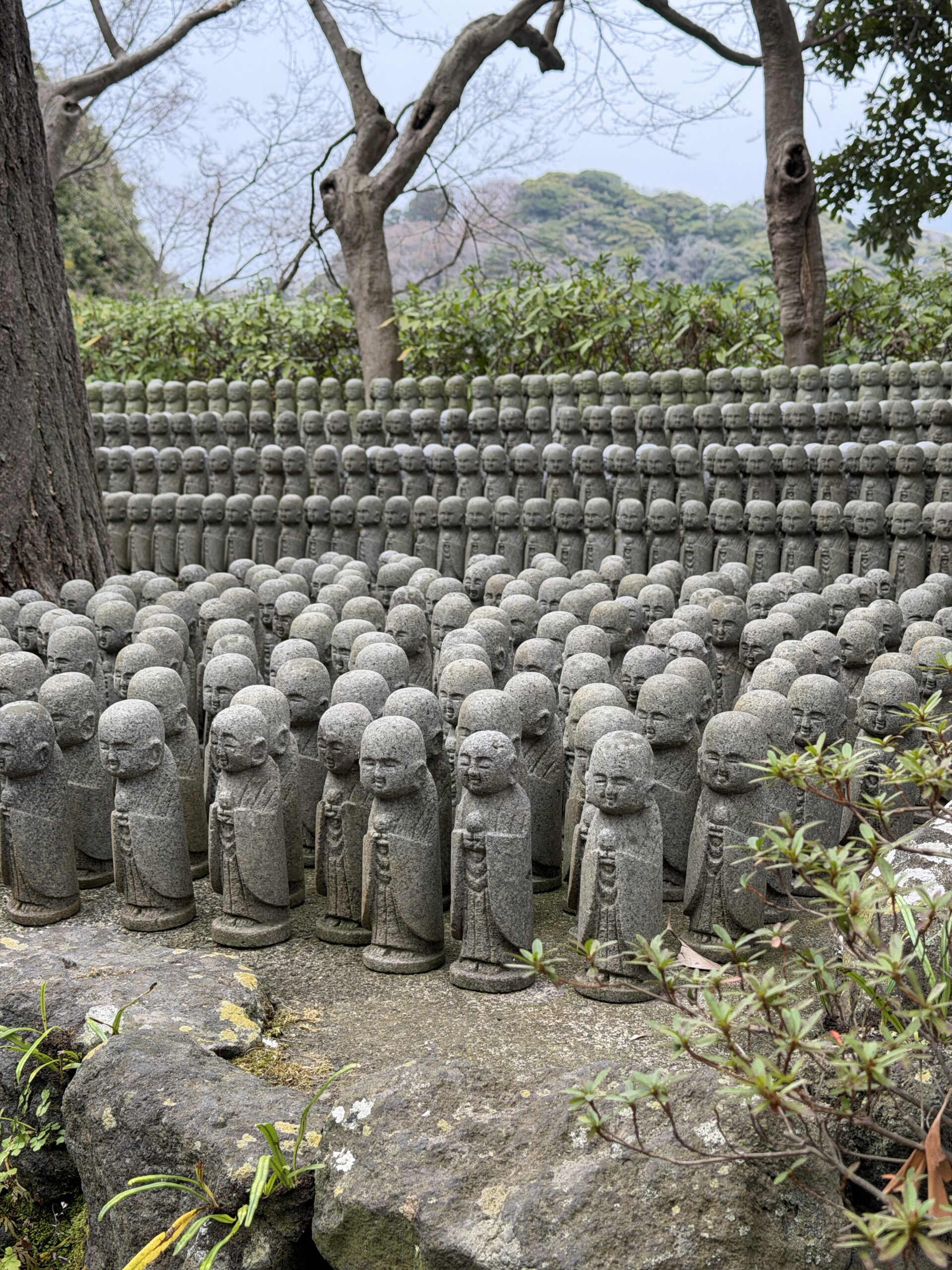
- Hase-dera Temple is one of Kamakura’s most beloved temples. It is known for its beautiful hillside gardens and sweeping views of the coast. It houses a large wooden statue of Kannon, the goddess of mercy. It also features peaceful walking paths lined with seasonal flowers and small statues. Near the temple is Kannon Coffee stop by for delicious Buddha-themed treats and coffee.
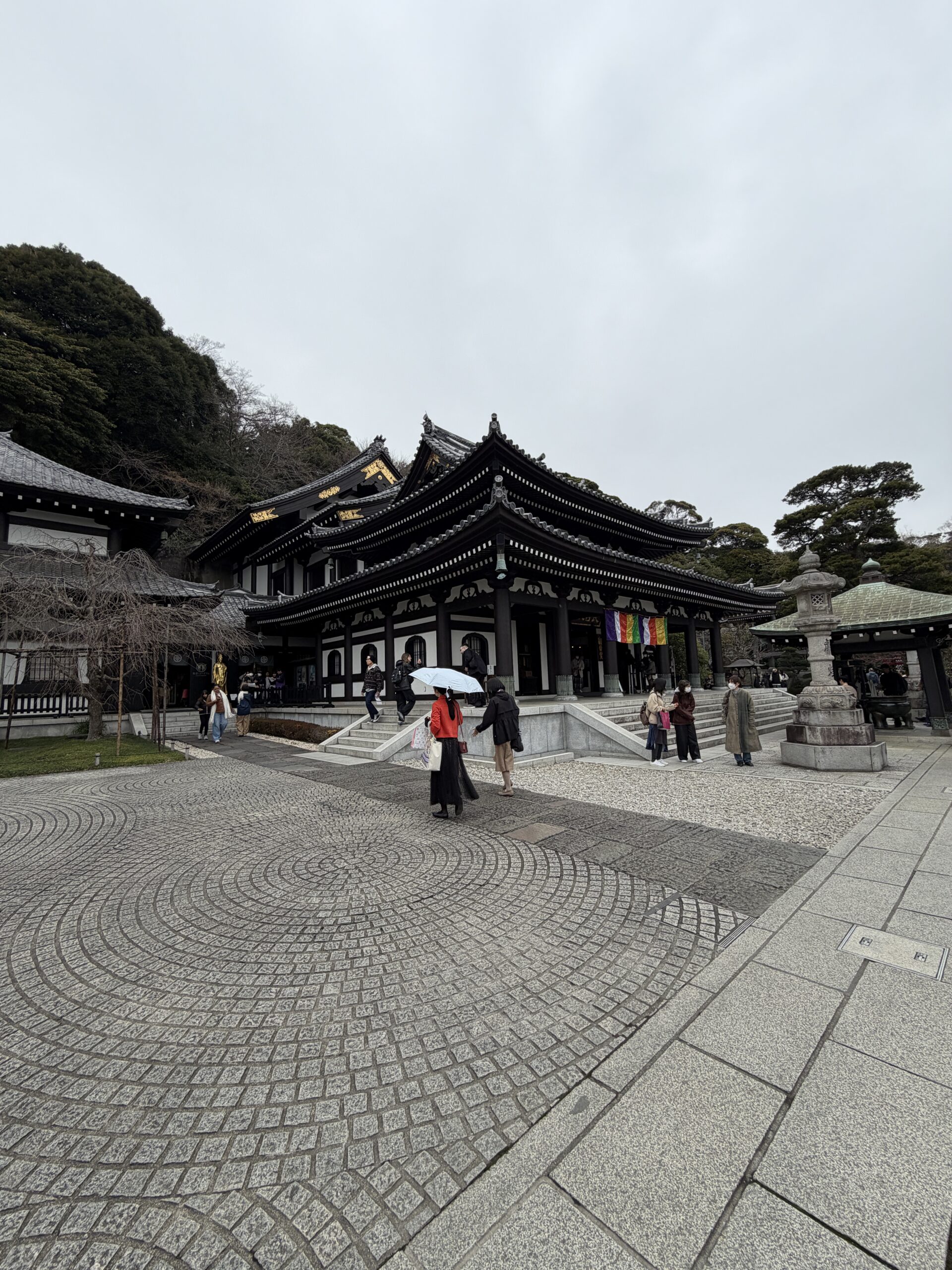
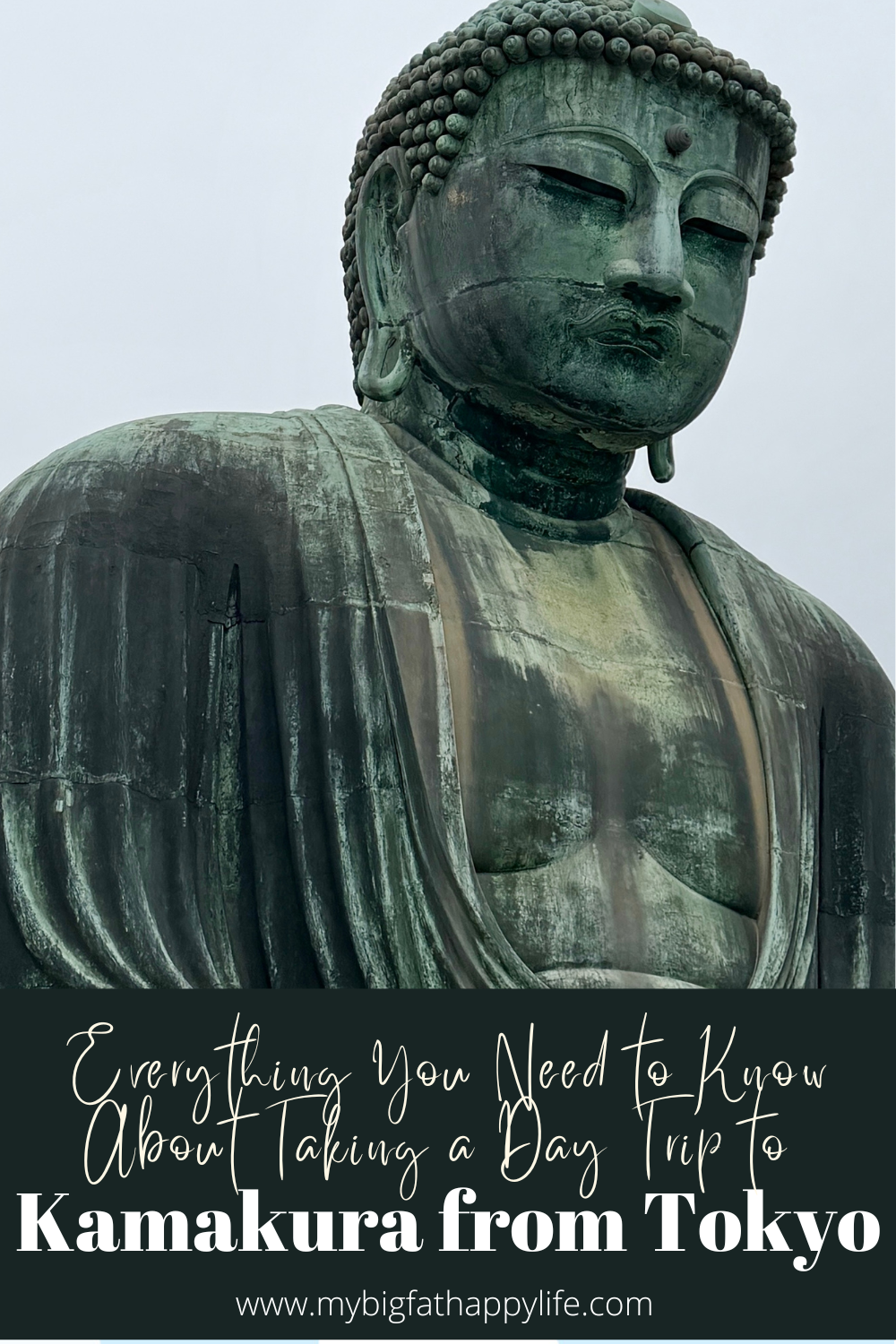
- Kotoku-in is home to Kamakura’s iconic Great Buddha, a towering bronze statue that has stood for centuries. Set in an open-air courtyard. The statue’s impressive size makes it one of Japan’s most recognizable landmarks.
- Komachi-dori street is a lively pedestrian street near Kamakura Station. It is lined with local shops, cafés, and street food stalls. It’s the perfect place to sample traditional snacks, browse souvenirs, and soak up the town’s vibrant atmosphere.
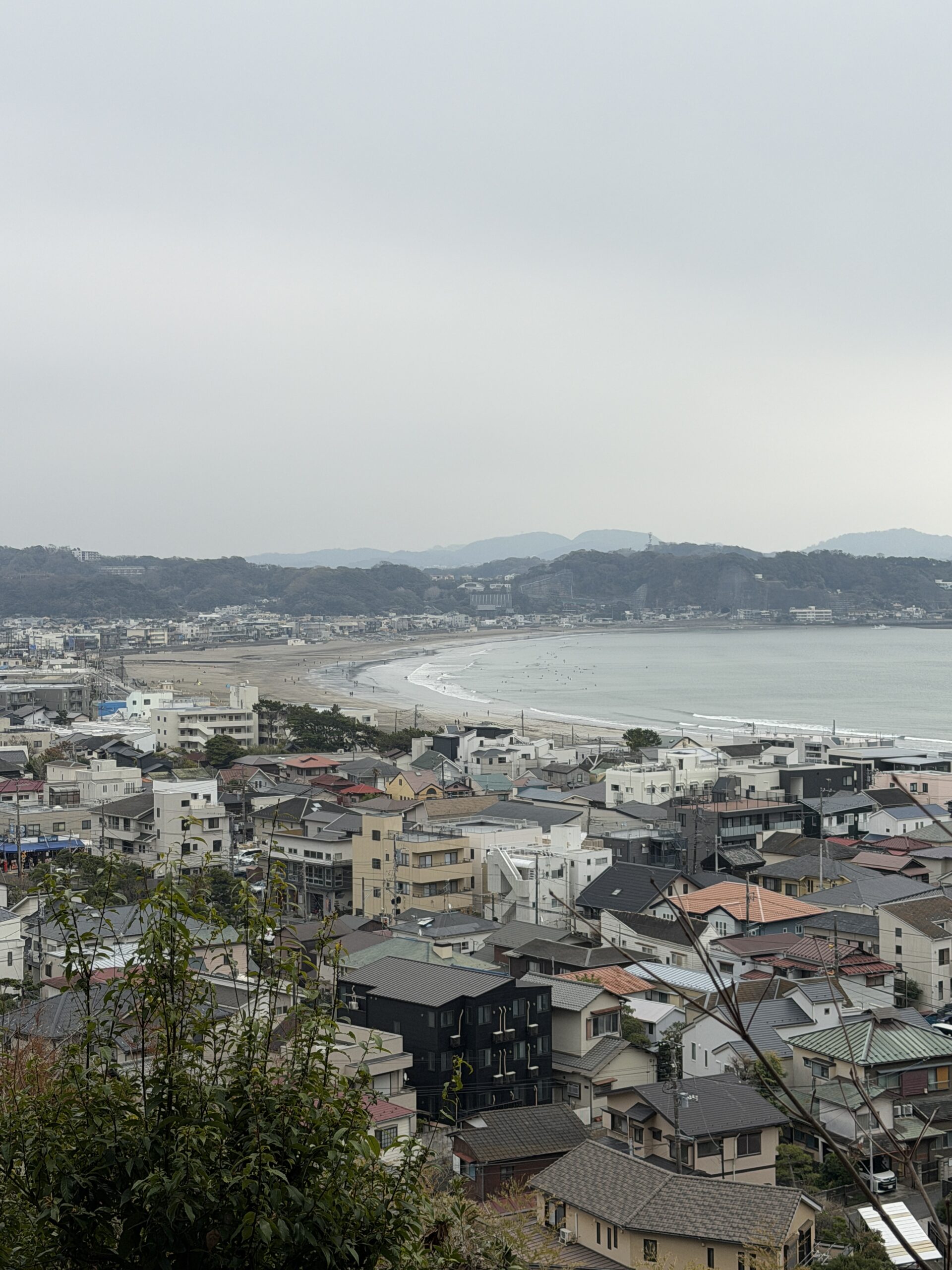
- Japan coastline near Kamakura offers a relaxed mix of sandy beaches, gentle waves, and scenic ocean views framed by distant mountains. Popular spots like Yuigahama Beach and Shichirigahama Beach are known for their laid-back vibe and are a refreshing contrast to the historic temples nearby.
What I’ll Remember Most
What I’ll remember most isn’t just the famous temples or the Great Buddha, but the feeling of wandering down narrow streets lined with small shops, the sound of waves rolling in near the coast, and the peaceful pause that seemed to settle over everything. Kamakura has a way of staying with you, not through grand moments, but through the gentle, almost hidden ones that linger long after you’ve left.