All the tips you need to help you plan your next trip to Tokyo, Japan, including how much cash you need and public transportation.
Disclaimer: This post contains affiliate links. If you make a purchase through these links, I may earn a commission at no extra cost to you.
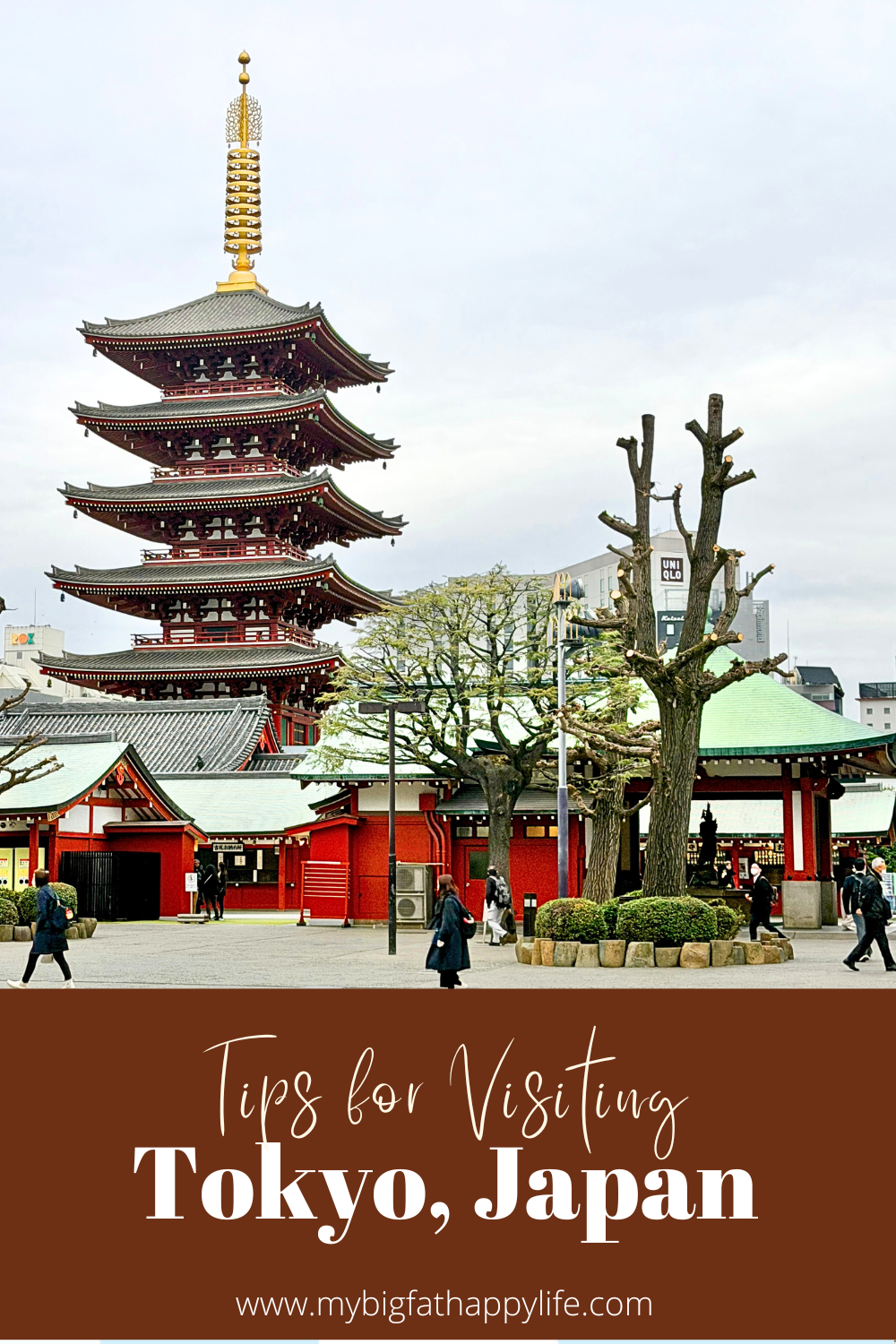
Japan is currently one of the top tourist destinations, and it’s easy to see why. From ancient temples to neon-lit skyscrapers, Tokyo blends tradition and innovation seamlessly. The city offers everything from serene gardens and historic shrines to cutting-edge technology and world-class dining.
Visiting Tokyo for the first time can feel overwhelming. With its vast neighborhoods, intricate transit system, and endless attractions, it’s easy to wonder where to start. That’s why having a few practical tips that will help you make the most of your trip.
This guide will give you essential tips to help you experience Tokyo like a savvy traveler.
Immigration/Customs Form
Before arriving in Japan, complete the pre-arrival immigration/customs form and download your QR code. The form is very easy to complete and asks for flight information, how long you are staying, where you are staying, and a list of questions about whether you are bringing certain items into the country. Japan does restrict many over-the-counter medicines that are common in the US, so be sure to check their list. If needed, apply for a visa.
eSIM
We have an international plan with our cell phone company; the quality is not great, and it does feel like we get throttled occasionally. Since we knew that we would be using our phones a lot for directions and needing to have quick and reliable service at Tokyo DisneySea and Tokyo Disneyland, we decided to purchase an eSIM. The eSIM from Holafly worked very well for us, and we used the same plan for Japan, Taiwan, and South Korea. You can save 5% off your first eSIM purchase from Holafly by clicking here or using code: 668ATRCGXQO5
I highly recommend having an eSIM or pocket Wi-Fi. You can also already have the eSIM purchased and ready to go before you land, so that you can hit the ground running.
Public Transportation
If you will be using public transportation and you have an iPhone, add the Suica transit card to your Apple Wallet and add funds to your account (you may have to wait to add funds until you arrive in Tokyo). This will allow you to ride trains/buses using your phone at the fare gates. Just tap and go. You can check the balance of your card in your Apple Wallet at any time and add additional funds (in any amount) whenever you need to.
I highly recommend using Google Maps for help navigating the vast public transportation network in Tokyo. The app will tell you what train/subway/metro to take, what station, what platform, and what time the train will arrive (sometimes multiple trains use the same platform). It will also tell you how many stops to go and where to get off (along with transfer information if you are changing trains). The app will even tell you what exit to use to get out of the station so that you are closest to your destination. We used Google Maps during our trip and never took the wrong train or got lost, which I consider a huge win!
How are you getting to your hotel?
Have a plan on how you are leaving the airport, because trust me, after a long international flight and going through immigration and customs, the last thing you want to have to figure out is how to get to your hotel.
The cheapest option is the train/metro/subway; however, again, after a long flight and time difference, I knew we would not want to try to figure this out.
There is a limo bus that you can purchase tickets for ahead of time online or at the airport, and it is relatively inexpensive, but this can take longer to get to your hotel because it stops at multiple hotels.
We chose to schedule a private transfer with a personal driver. For the three of us, I found the price to be only a little more than the limo bus, and it was easy. Our driver met us in the arrivals hall and got us on the road and to our hotel quickly. If you would like to schedule a private transfer, we used Klook and had a great experience.
The most expensive option is to take a taxi or ride share.
Cash
Japan still very much loves cash, and lots of places will only take cash. We found that the ATM at the 7-Eleven had no ATM fees from our bank (Capital One) or the ATM company. Be sure to always decline the conversion offer at foreign ATMs to avoid high fees and poor exchange rates. By selecting “Decline Conversion,” you allow your bank to handle the currency exchange, which is almost always cheaper. You will still receive your cash in the local currency
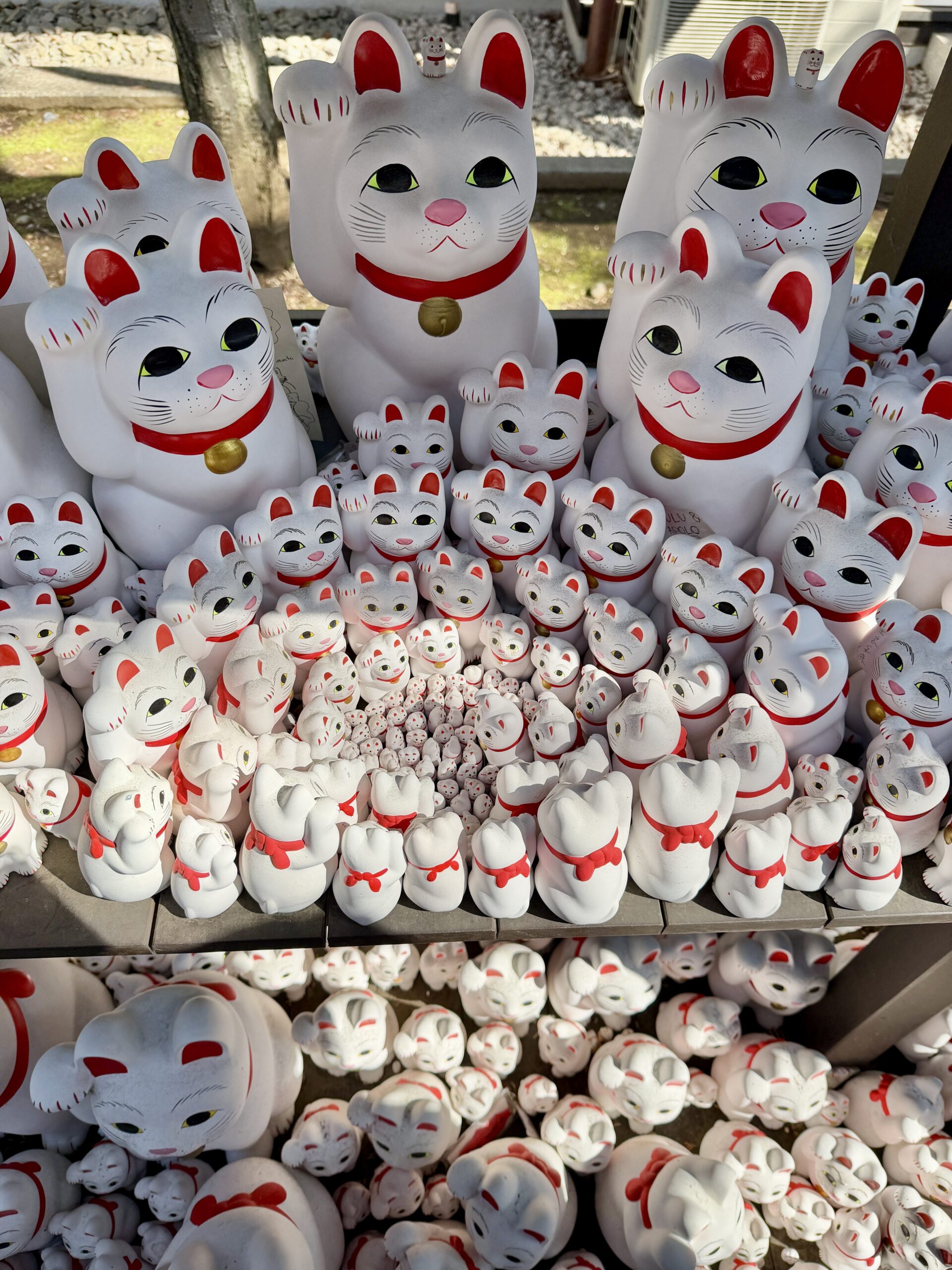
How much cash did we need? Obviously, the amount of cash you need during your trip to Japan will vary greatly on your plans/spending habits. We charged as much as we could to our credit card, but used cash for food stalls, entrance fees to some shrines/temples, fortunes, charms, gacha machines, etc. In the end, we spent between 1,500 and 2,000 yen per person per day during our trip to Tokyo. The good news is 7-Elevens are everywhere, so if you need more money, its convent to get.
Group Activities
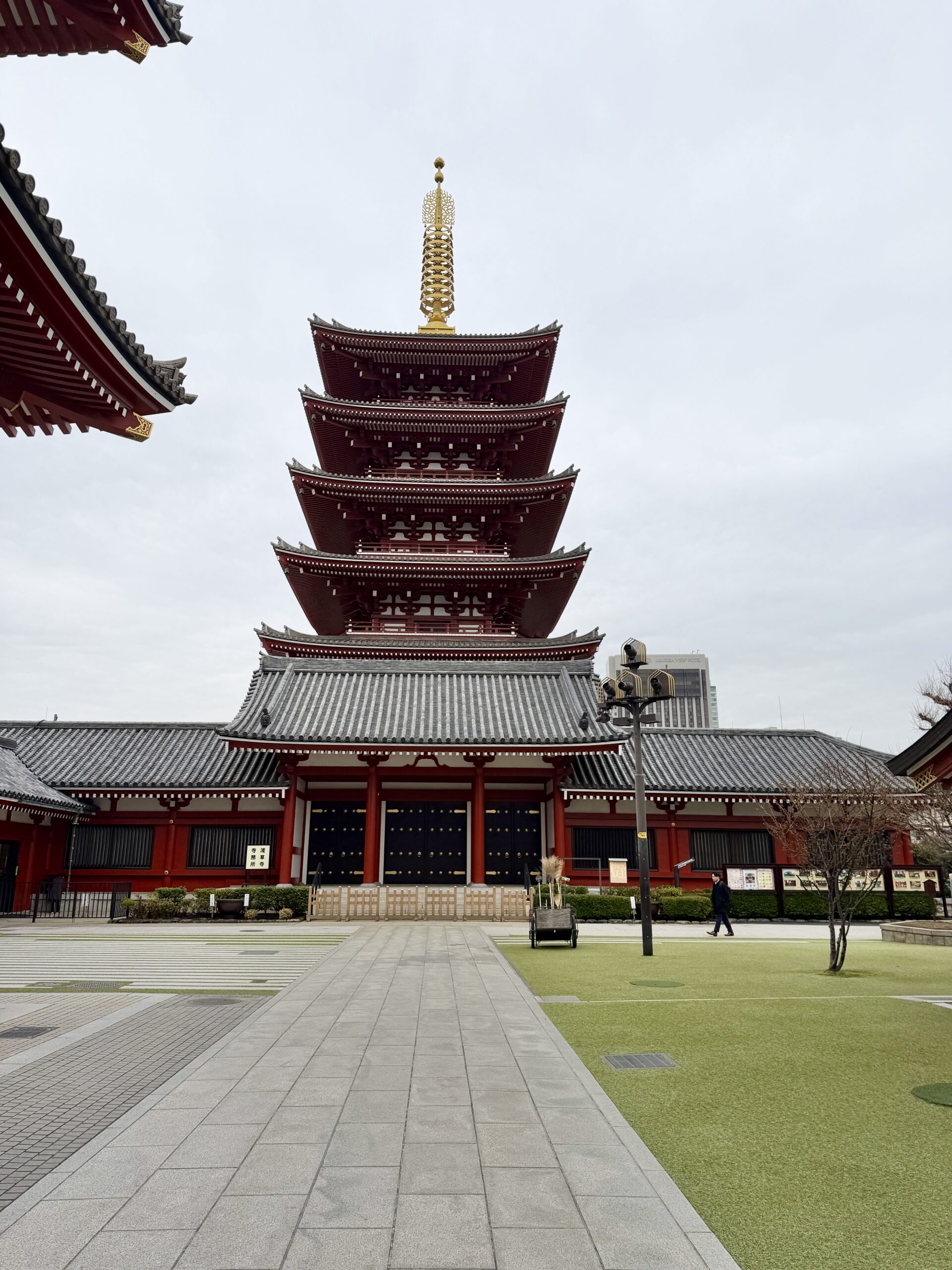
When planning time in Tokyo, grouping activities by neighborhood makes a huge difference in how much you actually get to enjoy your day. The city is massive and incredibly dense, and even short distances on a map can translate into long travel times once you factor in walking through stations, transfers, and crowds. By focusing on one area, like spending a full day in Shibuya or Asakusa, you cut down on transit fatigue and avoid burning hours underground when you could be exploring. It also gives your day a more relaxed rhythm, instead of constantly rushing to make the next train.
Let me know if you have any questions about visiting Tokyo, Japan.